
 4.7 / 5
Private History and Religion of Roman Ephesus
- Experience a private tour of Ephesus, the House of the Virgin Mary, and the Basilica of St. John.
- Uncover the riveting history of Roman Ephesus with a professional guide, guaranteed to leave lifelong memories.
- Explore the House of the Virgin Mary, officially declared a shrine by the Roman Catholic Church, a popular pilgrimage site.
- Witness the architectural marvel of the Basilica of St. John, where the evangelist spent his last years and was buried.
- Enjoy a delicious lunch, then return to Kusadasi for an exciting shopping spree, complete with a Turkish carpet demonstration.
 Private
Moderate
Cruise Ship Pier
Private
Moderate
Cruise Ship PierPrivate History and Religion of Roman Ephesus
Our most popular "Best of" program includes Ephesus, the House of the Virgin Mary, and the Basilica of St. John.
Roman Catholic tradition states that St. John and the Virgin Mary moved to Ephesus, where they eventually died. This tour to Ephesus also includes visits to the House of the Virgin Mary and the Basilica of St. John. Skip-the-line tickets are included, ensuring a smooth visit to these historic sites.
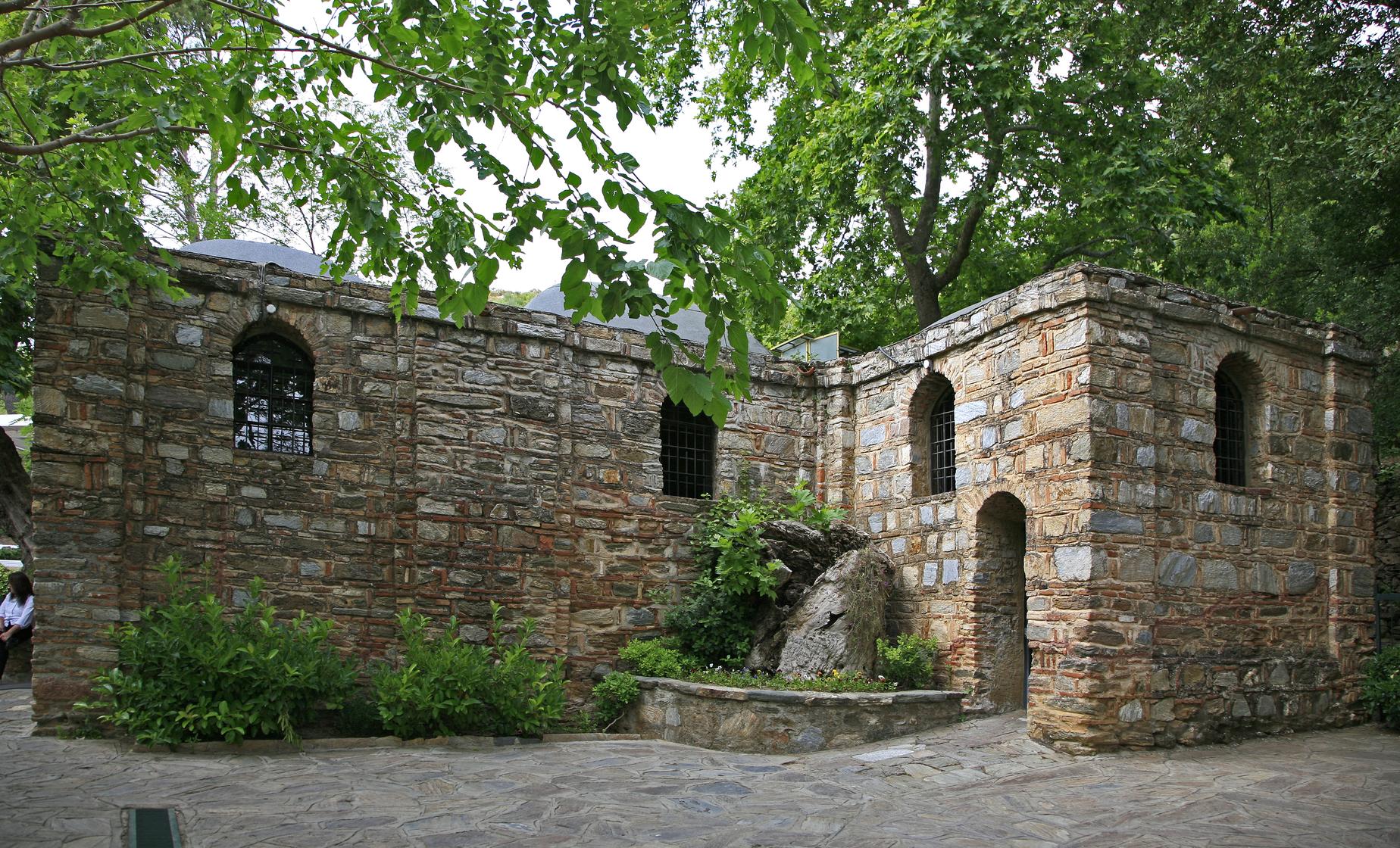
After meeting your professional guide on the pier, your private Ephesus shore excursion begins with a drive to the House of the Virgin Mary, located in the hills above Ephesus. It is known with certainty that the Virgin Mary went to Ephesus and lived there for some time. The belief that she died in Ephesus was given merit with Anne Catherine Emmerich's 1884 vision. The stigmatized German nun, who had never been to Ephesus, had a vision of the House of the Virgin Mary and described it in detail to German writer Clemens Brentano, who later published a book about it. In 1891, Paul, Superior of the Lazarists from Izmir, read about her vision and found a little building that corresponded with Emmerich's descriptions. Archaeological evidence showed the foundation to be from the 1st Century A.D., but the little house itself was from the 6th Century A.D. The site was officially declared a shrine of the Roman Catholic Church in 1896, and since then it has become a popular place of pilgrimage.
From the house, you will travel down to the ancient city of Ephesus. Dating to more than 300 years B.C., the city has an incredible history. While walking through the site, you can see the Forum, the Odeon, the Library of Celsus, the Thermal Baths of Scolastika, and the Great Theater. It was in this theater that Paul preached to the Ephesians.
Your next stop is at the Basilica of St. John. It is believed that the evangelist St. John had spent his last years in the region around Ephesus and was buried in the southern slope of Ayosolug Hill. Three hundred years after the death of Saint Paul, a small chapel was constructed over the grave. The chapel was replaced with a marvelous basilica during the reign of Emperor Justinian (527 -565 A.D.). The monumental basilica was in the shape of a cross and was covered with six domes. Its construction, being of stone and brick, is an extremely rare find amongst the architecture of its time. Raised on two steps and covered with marble, the tomb of St. John was under the central dome.
You will then enjoy lunch at a nearby restaurant. After lunch, returning to the town of Kusadasi, guests will have the option to end their tour in the shopping area where they can attend a Turkish carpet explanation and shop, explore the shops filled with jewelry, carpets, leatherware, and copper goods, or both. Turkish salespeople expect you to haggle, and quite often you can get 10-15% off the listed price. Treat it as an adventure. The cruise pier is a 5-10 minute walk from the main shopping area.
Guests not wishing to attend the optional carpet shopping should advise their guide, and they will be taken directly back to the pier.
Our Port Books are exclusive guides that provide detailed information curated by our tour directors and local representatives, including:
- Port History
- Maps
- Shopping Recommendations
- Weather
- Highlights, Attractions, and Points of Interests
- Recommended Clothing
- Restaurants, Food & Beverage
- Important Tourist Information - Local Currency, Safety, Transportation, and more!