
 4.7 / 5
Private Kadriorg Palace and Upper Town
- Discover Tallinn's history at Toompea Hill, offering panoramic views and landmarks like the Russian St. Alexander Nevski Orthodox Cathedral.
- Marvel at the centuries-old coats of arms and tombstones at the 13th-century gothic St. Mary's Cathedral, showcasing Estonia's rich history.
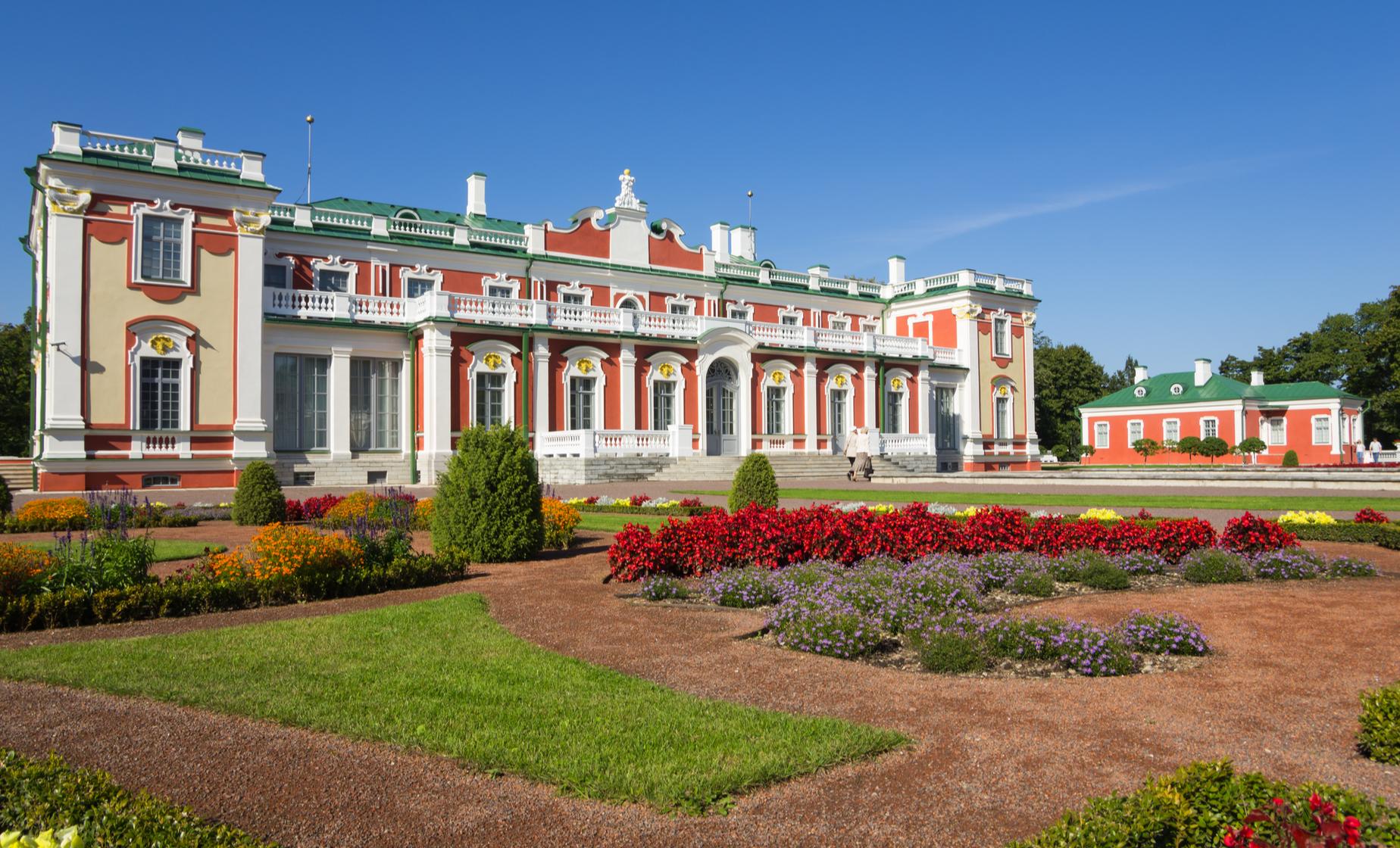
- Immerse in opulence at the baroque Kadriorg Palace, a former residence of Russian Czars, now housing the Museum of European Art.
- Enjoy picturesque views of the sea and Tallinn from the famous Estonian Song Festival Grounds, a cultural venue since 1869.
- Benefit from our return-to-ship guarantee and industry-leading satisfaction guarantee, ensuring a worry-free, memorable shore excursion experience.
 Private
Moderate
Cruise Ship Pier
Private
Moderate
Cruise Ship PierPrivate Kadriorg Palace and Upper Town
This private highlights tour of Tallinn, Estonia begins with a drive to the upper part of Tallinn, Toompea Hill. Along the way, you will pass the 13th-century old town wall, the Fat Margarete Tower, and the main railway stationbefore arriving on Toompea Hill, which is better known as Tallinn's Upper Town or Dome Hill. You will leave the coach at the Tall Hermann Tower for a short walk to the Palace Square. You will visit the Russian St. Alexander Nevski Orthodox Cathedral (1900) displaying a lot of spectacular icons. Continue along the medieval cobbled alley to the 13th century gothic St. Mary's Cathedral (Dome Church) where you can admire more than 300 years old coats of arms of noble families and tombstones of some world known admirals. Then a short walk will take you to a panoramic viewpoint where you can enjoy the view over the Lower Town with its red-tiled roofs, towers and steeples, and have a short opportunity for shopping.
Next, take a drive past Freedom Square and the National Opera Estonia to Kadriorg Park. A short stroll takes you through the garden and past the Swan Pond, up to a splendid baroque palace. The palace was once the summer residence of the Russian Czars, but today it is home to the Museum of European Art. You will visit the palace and upper garden, which was built in honor of Peter's empress wife, Catherine I.
Before returning to the cruise pier, you will visit the Song Festival Grounds, home of the famous Estonian song festivals held since 1869. From here a picturesque view opens to the sea and the Old Town of Tallinn. After a photo stop, you will be returned to your ship.
Our Port Books are exclusive guides that provide detailed information curated by our tour directors and local representatives, including:
- Port History
- Maps
- Shopping Recommendations
- Weather
- Highlights, Attractions, and Points of Interests
- Recommended Clothing
- Restaurants, Food & Beverage
- Important Tourist Information - Local Currency, Safety, Transportation, and more!